
.png)
Essential Vehicle Maintenance Checklist for Every Car Owner

Keeping your vehicle in good shape is key to safe driving and avoiding costly repairs. Regular maintenance helps your car run smoothly, improves fuel efficiency, and extends its lifespan. This checklist covers the essential tasks every car owner should know to keep their vehicle reliable and road-ready.
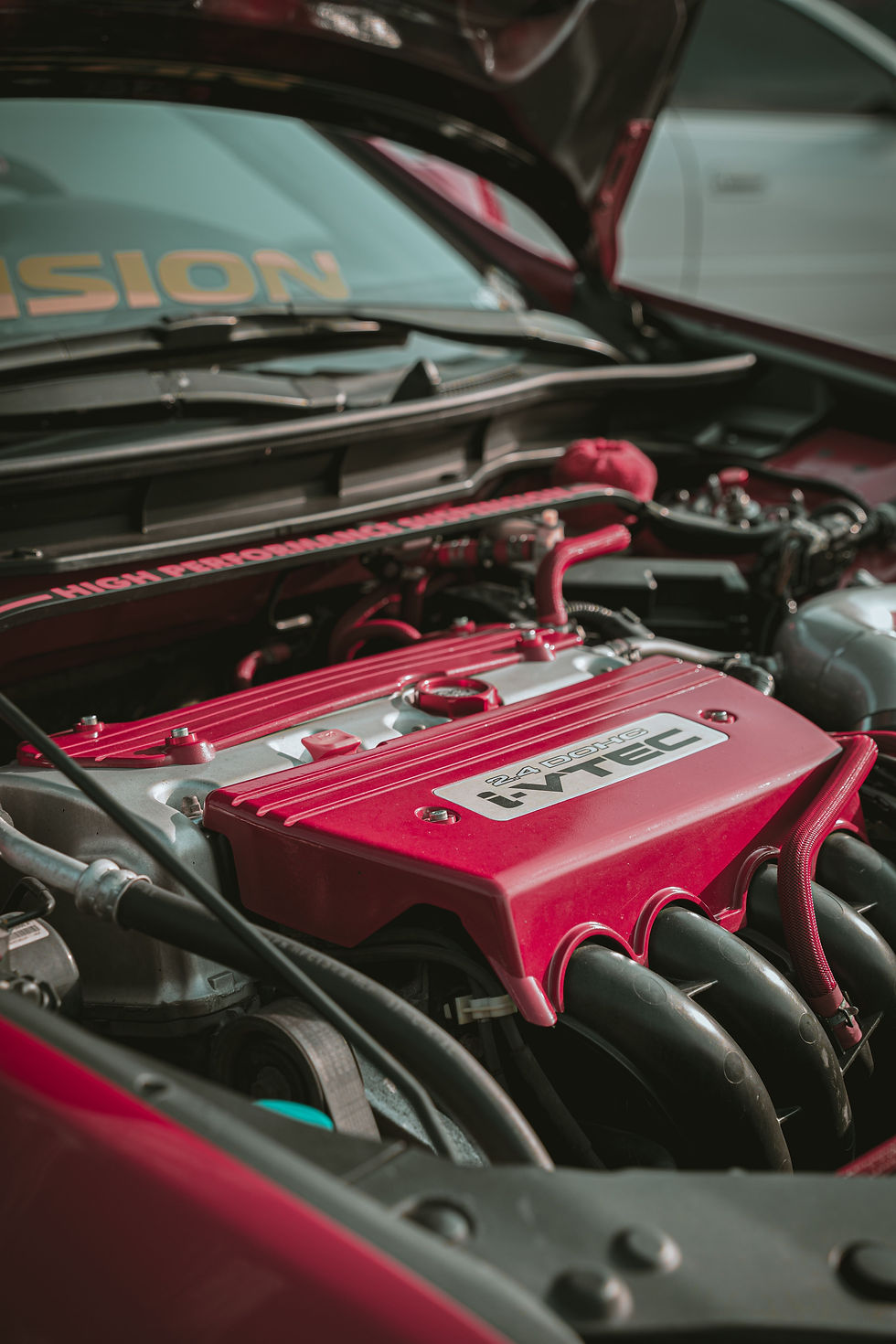
Check Engine Oil and Filter
Engine oil lubricates moving parts and prevents overheating. Check your oil level monthly using the dipstick. If the oil looks dark or gritty, it’s time for a change. Most cars need an oil and filter change every 5,000 to 7,500 miles, but check your owner’s manual for specific intervals.
Use the correct oil grade recommended by the manufacturer.
Replace the oil filter with every oil change to keep contaminants out.
Low or dirty oil can cause engine damage and reduce fuel efficiency.
Inspect Tires Regularly
Tires affect safety, handling, and fuel economy. Check tire pressure at least once a month and before long trips. Underinflated tires wear unevenly and increase fuel consumption.
Use a reliable tire pressure gauge.
Inspect tread depth; replace tires when tread is below 2/32 inch.
Look for cracks, bulges, or punctures.
Rotate tires every 6,000 to 8,000 miles to ensure even wear.
Test Brakes and Brake Fluid
Brakes are critical for safety. Listen for squeaking or grinding noises, which indicate worn brake pads. Also, check brake fluid levels every few months.
Replace brake pads when thickness is below 3mm.
Brake fluid should be clear; dark or dirty fluid needs replacement.
Have a professional inspect brake lines and rotors annually.
Maintain Battery Health
A weak battery can leave you stranded. Check battery terminals for corrosion and clean them if needed. Test battery voltage with a multimeter; a healthy battery reads about 12.6 volts when the engine is off.
Replace batteries every 3 to 5 years.
Ensure the battery is securely mounted to avoid damage.
If your car struggles to start, have the battery tested.

Replace Air Filters
Air filters keep dirt and debris from entering the engine and cabin. A clogged engine air filter reduces performance and fuel economy, while a dirty cabin filter affects air quality inside the car.
Check engine air filter every 12,000 to 15,000 miles.
Replace cabin air filter every 15,000 to 20,000 miles or annually.
Signs of a dirty cabin filter include reduced airflow and unpleasant odors.
Check and Top Up Fluids
Your car relies on several fluids for smooth operation. Regularly check levels and top up or replace as needed.
Coolant: Prevents engine overheating. Check level monthly and flush every 30,000 miles.
Transmission fluid: Ensures smooth gear shifts. Check level and color; replace if dark or burnt-smelling.
Power steering fluid: Helps with steering ease. Low levels can cause stiffness.
Windshield washer fluid: Keeps your windshield clear for safe driving.
Inspect Belts and Hoses
Belts and hoses wear out over time and can cause breakdowns if they fail.
Look for cracks, fraying, or glazing on belts.
Check hoses for leaks, bulges, or softness.
Replace worn belts and hoses every 60,000 miles or as recommended.
Test Lights and Signals
Proper lighting is essential for visibility and communication on the road.
Check headlights, brake lights, turn signals, and hazard lights monthly.
Replace burnt-out bulbs promptly.
Clean lenses to ensure maximum brightness.
Monitor Exhaust System
A damaged exhaust system can affect engine performance and increase emissions.
Listen for loud noises or rattling sounds.
Look for rust or holes under the car.
Have a mechanic inspect the exhaust system annually.
Keep Your Vehicle Clean
Regular washing and waxing protect your car’s paint and prevent rust.
Wash your car every two weeks to remove dirt and salt.
Wax every 3 to 6 months to protect the finish.
Clean the interior to maintain comfort and resale value.
Plan for Seasonal Maintenance
Adjust your maintenance routine based on the season.
Winter: Check antifreeze, battery, tires, and wipers.
Summer: Inspect cooling system, air conditioning, and tire pressure.
Spring/Fall: Test brakes, fluids, and replace filters as needed.
Taking these steps helps avoid unexpected breakdowns and keeps your vehicle running efficiently. A well-maintained car saves money and provides peace of mind on every trip.


Comments